

In the world of champagne, each style tells a unique story. Behind the sparkle of the bubbles lies a world shaped by the choice of grape varieties, the diversity of terroirs, and the expertise of the houses. Each cuvée is born from a subtle balance between the climate, the soil, the plot, and the precise actions of the winemakers. What seems light at first glance reveals, upon tasting, a remarkable complexity, carried by aromas, texture, and liveliness.
Among the most iconic expressions are Blanc de Blancs Blanc de Noirs. These two styles offer distinct sensory experiences: Blanc de Blancs with its brightness, finesse, and precision, while Blanc de Noirs stands out for its depth, structure, and generosity. This difference depends primarily on the grape varieties. Blanc de Blancs made exclusively from Chardonnay, a white grape variety renowned for its freshness and elegance. Blanc de Noirs, on the other hand, is made from Pinot Noir and/or meunier, black grapes vinified as white wines thanks to a delicate pressing process that limits contact with the skins. With nearly 300 recognized crus, Champagne offers an exceptional wealth of terroirs, allowing for the production of a wide variety of styles, each reflecting the identity of its village or plot.
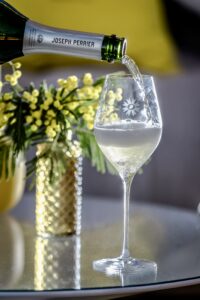
Chardonnay accounts for around a third of Champagne's vineyards and finds its ideal terroir in the Côte des Blancs, renowned for its mineral-rich chalky soils. These conditions produce fresh, precise, and elegant champagnes with natural minerality and excellent aging potential. Over time, they develop aromas of white flowers, white-fleshed fruits, and toasted bread.
At Joseph Perrier, the Cuvée Royale Blanc de Blancs perfectly Blanc de Blancs this finesse. The house was one of the first to produce a Blanc de Blancs Champagne, contributing to the popularity and recognition of this style.
The production process for this 100% Chardonnay champagne requires greater attention than a classic champagne. The grapes are harvested and sorted meticulously by hand. In order to preserve the purity of the juice, pressing must be gentle and fractional, and fermentation takes place in stainless steel vats to maintain maximum purity and finesse. Finally, aging is prolonged on fine lees to develop texture and complexity.
This precise work gives Blanc de Blancs Perrier's Blanc de Blancs great elegance. It can be enjoyed as an aperitif or with a meal, particularly with delicate dishes where balance and finesse are essential.
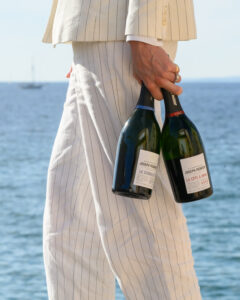
Blanc de Noirs, meanwhile, is made from Pinot Noir and/or meunier grapes, which bring structure, depth, and aromatic richness. Pinot Noir lends character and intensity, while meunier roundness and fruitiness.
At Joseph Perrier, the Blanc de Noirs is based on a parcellaire approach. The Pinot Noir from La Côte à Bras , the estate's eponymous plot, brings power and depth, while Le Ciergelot, Joseph Perrier's meunier 100% meunier , offers suppleness and richness. This precise selection allows each bottle to faithfully reflect the identity of its terroir and grape variety.
The Blanc de Noirs production process is as specific as that for Blanc de Blancs, given the color of the grapes. As a result, pressing must be carried out quickly and delicately to prevent any coloration of the champagne. The wine parcellaire vinified separately parcellaire before blending, and aged on lees, as for Blanc de Blancs, to develop texture and complexity.
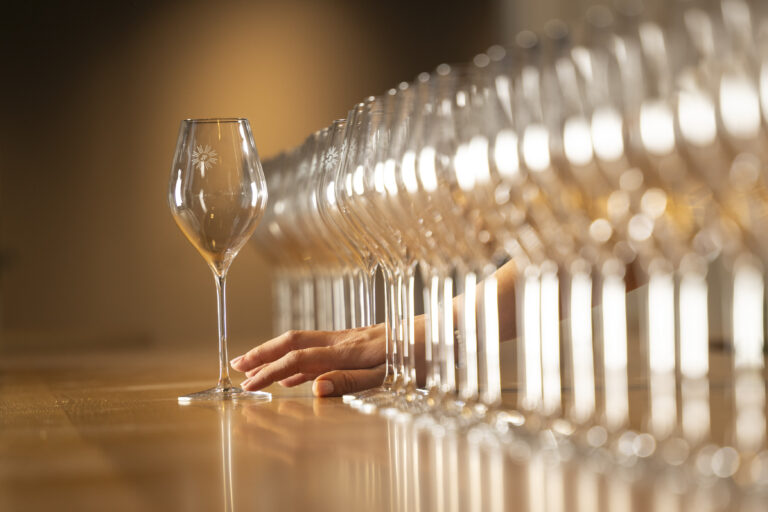
Blanc de Blancs
On the nose, it reveals aromas of citrus fruits, white flowers, and white-fleshed fruits, accompanied by subtle notes of brioche and a beautiful minerality. The palate is fresh, airy, elegant, and very precise.
White from Blacks:
The nose expresses with aromas of ripe yellow fruit and red berries, enhanced by delicate spicy notes. On the palate, the wine is full-bodied, structured, and generous.
Some vintages may include rare grape varieties such as Pinot Blanc, Pinot Gris, Petit Meslier, or Arbanne, grown on small plots. These varieties bring subtle aromatic nuances and enrich the blend without altering its style. At Joseph Perrier, their use remains occasional and measured. Their inclusion reflects a desire to express the full richness of the Champagne terroir and enhance the blend, while maintaining the iconic identity of each cuvée.
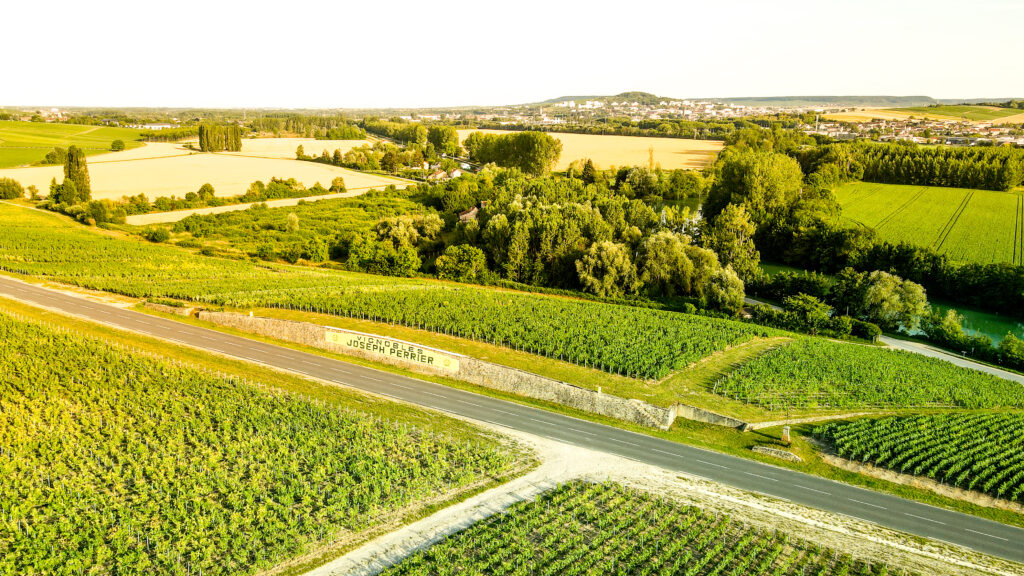
Each Joseph Perrier champagne is based on three fundamental principles: respect for the fruit, expression of the terroir, and patience in aging. Blanc de Blancs Blanc de Noirs (
), each cuvée reveals a facet of the house, combining tradition, precision, and shared pleasure.
Joseph Perrier is renowned for its parcellaires cuvées parcellaires meticulous selection of grapes from exceptional terroirs. In addition, the house's pioneering role in the production of Blanc de Blancs helped to make this style an iconic wine, symbolizing finesse and precision. As for Blanc de Noirs, the care taken in pressing and blending parcellaire depth, richness, and indulgence.
Each cuvée is perfectly suited to sophisticated gastronomic pairings, offering a unique sensory experience, whether for a refined aperitif, a gourmet dinner, or a festive meal. The house's century-old expertise, combined with its innovative approach and respect for the terroirs, makes Joseph Perrier a key player in the world of prestige champagne.
Discover our Cuvée Royale Blanc de Blancs our parcellaires cuvées parcellaires La Côte à Bras and Le Ciergelot – on our website www.josephperrier.com and explore the food and champagne pairings that are perfect for your gourmet meals.

To access the JOSEPH PERRIER website, you must be 18 or over.PLEASE enter your date of birth
We use cookies
Cookie Policy and Privacy Policy
ALCOHOL ABUSE IS DANGEROUS FOR YOUR HEALTH. CONSUME IN MODERATION. Sale of alcoholic beverages to minors under 18 years of age is prohibited. Proof of age is required at the time of online sale CODE DE LA SANTÉ PUBLIQUE.ART L.3342-1 ET L.3353-3